


.webp)


Creating a handicap-accessible home isn't just about compliance with regulations—it's about designing a living space that promotes independence, safety, and dignity for everyone who lives there. Whether you're planning modifications for a family member with a disability, preparing for aging in place, or simply want to make your home more universally accessible, this guide covers the essential changes that make the biggest difference.
According to the CDC, approximately 26% of adults in the United States live with some type of disability. With the aging population growing rapidly, the demand for accessible housing has never been higher. The good news? Many of these modifications can be implemented without major structural changes.
1. Widen Doorways for Wheelchair Access
Standard doorways are typically 28-32 inches wide, but wheelchair users need at least 36 inches of clear width to navigate comfortably. The ADA recommends 32 inches as the minimum, but 36 inches is ideal for power wheelchairs and scooters.
Key Considerations:
- Offset hinges can add 2 inches without moving the frame
- Pocket doors or barn doors eliminate swing clearance issues
- Budget $300-$1,500 per doorway for professional widening
- Prioritize bathroom, bedroom, and main entry first
2. Install Wheelchair Ramps
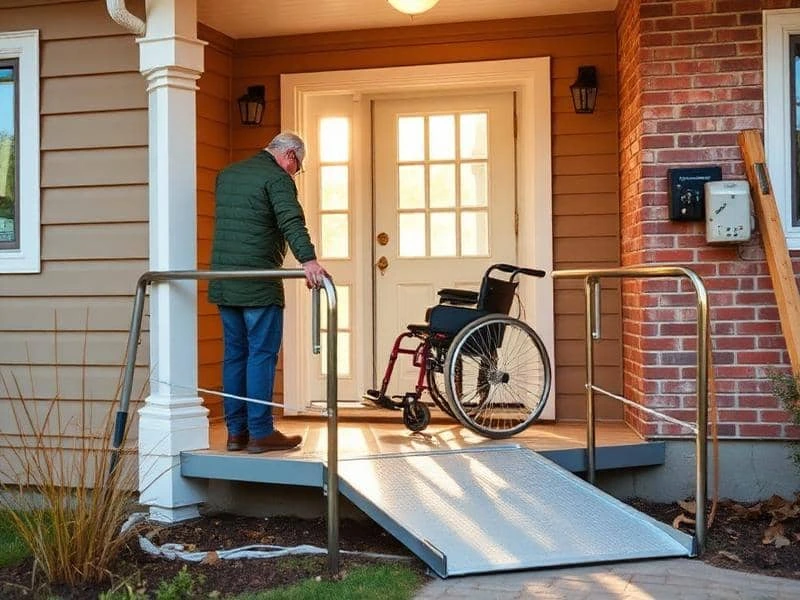
Ramps provide essential access to homes with steps at entries. The ADA specifies a 1:12 slope ratio—meaning for every inch of rise, you need 12 inches of ramp length. A 24-inch rise requires a 24-foot ramp.
Materials range from aluminum (lightweight, portable) to concrete (permanent, durable) to wood (aesthetically customizable). Consider your climate, budget, and whether the ramp needs to be removable.
3. Bathroom Modifications
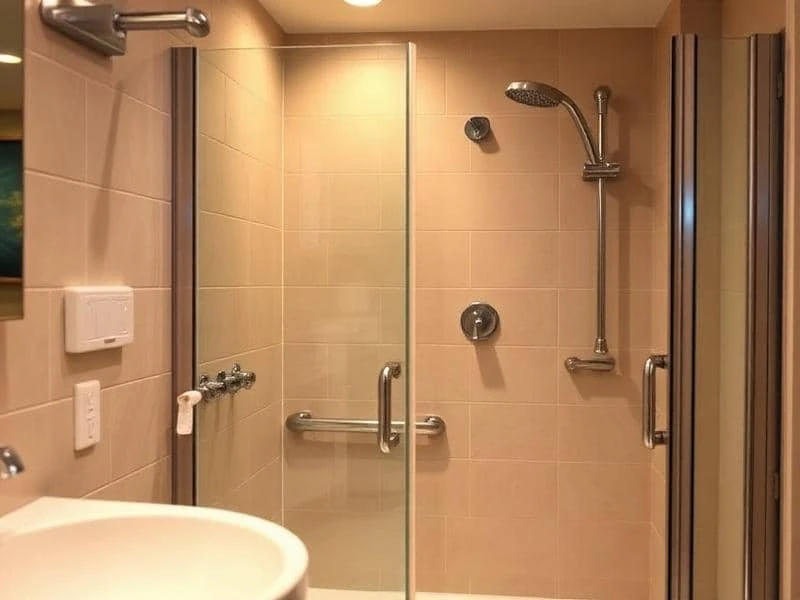
Bathrooms are the most dangerous rooms in the house for falls. Essential modifications include:
- Grab bars: Install near toilet (18" from floor) and in shower/tub areas
- Walk-in or roll-in showers: Eliminate step-over hazards with zero-threshold entries
- Raised toilet seats: Standard height is 15", accessible is 17-19"
- Hand-held showerheads: Allow flexibility for seated showering
- Non-slip flooring: Textured tiles or non-slip mats are essential
Pro Tip: When installing grab bars, ensure they're mounted into wall studs or use proper blocking. They must support at least 250 pounds of force.\
4. Kitchen Accessibility
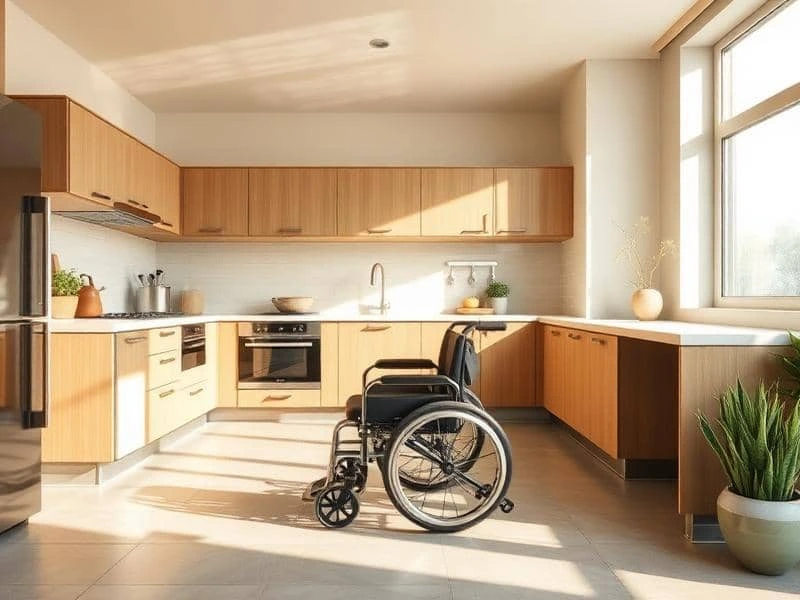
An accessible kitchen allows wheelchair users to cook independently. Key modifications:
- Lowered countertops: 28-34 inches (standard is 36 inches)
- Knee clearance: Open space under sink and cooktop for wheelchair access
- Pull-out shelves: Replace fixed shelves for easier reach
- Side-opening ovens: Safer than traditional drop-down doors
- Touch or lever faucets: Easier to operate than twist handles
5. Choose Accessible Flooring
The right flooring reduces fall risk and makes wheelchair navigation easier:
- Hardwood or luxury vinyl: Smooth, easy to roll on, and durable
- Low-pile carpet: If carpet is preferred, stick to 1/2" pile maximum
- Eliminate transitions: Remove raised thresholds between rooms
- Avoid throw rugs: They're tripping hazards—use non-slip mats only where needed
6. Improve Lighting & Switch Access
Good visibility prevents accidents, and accessible controls promote independence:
- Lower light switches: Install at 42-48 inches (standard is 48-52 inches)
- Rocker or touch switches: Easier than toggle switches for those with limited dexterity
- Motion-sensor lights: Automatic lighting in hallways and bathrooms
- Task lighting: Under-cabinet lights in kitchen and reading areas
7. Integrate Smart Home Technology
Voice-controlled and automated systems are game-changers for accessibility:
- Voice assistants: Control lights, thermostats, and locks hands-free
- Smart doorbells: See and communicate with visitors from anywhere
- Automated blinds: Adjust natural light without reaching
- Smart locks: Keyless entry with codes or smartphone control
8. Bedroom Accessibility
The bedroom should be a sanctuary of comfort and safety:
- First-floor bedroom: Eliminate stair climbing if possible
- Adjustable beds: Easier to get in and out of
- Closet accessibility: Lower rods, pull-down systems, or walk-in designs
- Clear pathways: 36" minimum around the bed for wheelchair access
9. Outdoor Accessibility
Don't forget the exterior of your home:
- Smooth walkways: Avoid gravel or uneven surfaces
- Adequate lighting: Motion-sensor lights for pathways
- Accessible parking: Close to entry with firm, level surface
- Raised garden beds: Allow gardening without bending
Conclusion: Start Your Accessibility Journey
Creating a handicap-accessible home is an investment in independence, safety, and quality of life. You don't need to tackle everything at once—start with the most critical areas (typically bathroom and entry access) and build from there.
Many states offer grants, tax credits, and low-interest loans for accessibility modifications. Organizations like Rebuilding Together and local Centers for Independent Living can help connect you with resources.

.jpeg)